

Stevedores work among moving loads, heavy machinery and open holds, often out of sight of the people controlling them. This summary of New Zealand’s Transport Accident Investigation Commission (TAIC) report covers two such accidents, the risk, and where Dtyle.AI fits.
1. Incident
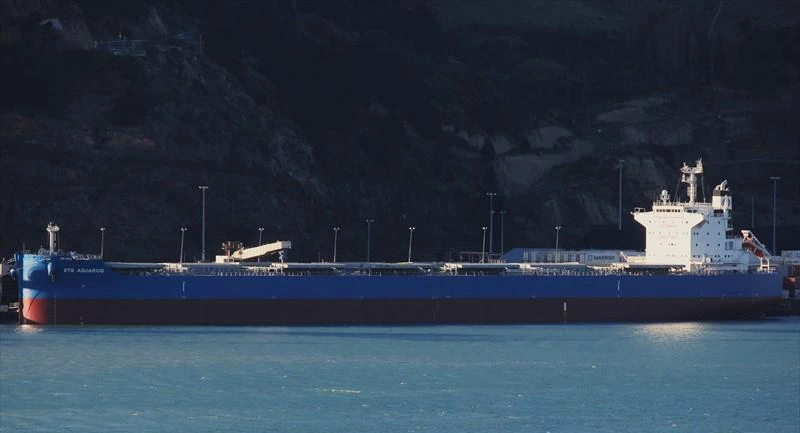
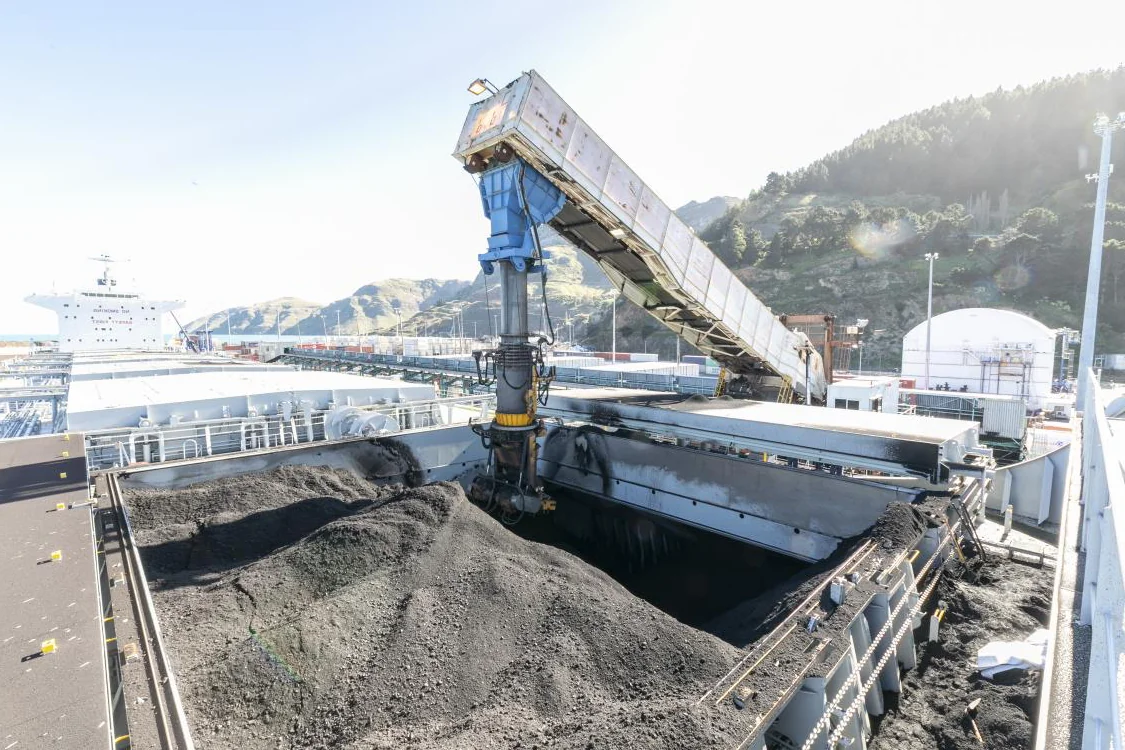
In April 2022, two stevedores died at New Zealand ports within six days. On 19 April, a stevedore loading the container ship Capitaine Tasman at the Port of Auckland moved under a suspended container as it was lowered; on 25 April, a signalman loading coal onto the bulk carrier ETG Aquarius at Lyttelton Port fell from a platform at the hatch and was buried under spilt coal.
- Capitaine Tasman: a container ship loading with its own deck cranes, worked by stevedores from Wallace Investments Limited.
- ETG Aquarius: a new Liberian-registered bulk carrier on its maiden voyage, loaded by Lyttelton Port Company stevedores using a ship-loader.
- Outcome: both stevedores sadly died, and the Minister of Transport ordered both inquiries.
- Common factor: both companies relied mainly on procedures and rules, with weak checks that they were followed.
2. Timeline
Both accidents happened during routine loading, minutes after a small problem or change.
- 19 April, about 0913: a twist lock falls out of place, and a hold operator climbs down a tier to refit it while the 40-foot container hangs from the crane.
- About 0916: the container is lowered to land again; the hold operator ducks under its end and is crushed, out of sight of the crane operator and the other hold operator.
- 25 April, about 0900: loading the last hold of ETG Aquarius, coal starts spilling over the hatch coaming near where the signalman is standing on a platform.
- 0904: muffled noises are heard on the radio, followed by 23 seconds of silence before the ship-loader operator calls the signalman.
- 0907–0930: the coal is stopped, a search begins, and the signalman is found under the spilt coal at about 0930.
3. Root Cause
TAIC found that both companies managed serious risks mainly with rules and procedures, without checking how work was really being done.
- Auckland: the hold operator moved under a suspended load, and the other hold operator signalled the lowering without knowing where they were.
- The two hold operators worked on different tiers and couldn’t see each other, and the crane operator’s view below was limited.
- Unapproved practices, such as climbing down using the crane wire and not using fall arrest equipment, were still common.
- Lyttelton: the signalman worked alone at the hatch, the ship-loader had no CCTV, and the shared radio channel had no set protocol.
- His helmet chinstrap wasn’t fastened, and his medical screening hadn’t picked up a pre-existing health condition.
4. Risk
Stevedoring has a poor safety record worldwide, and many of its hazards are out of view of the people in control.
- Suspended loads can drop or shift without warning onto anyone beneath them.
- Crane and ship-loader operators often can’t see the people they are working with.
- Lone workers at a hatch can fall or be buried before anyone notices.
- Radio is often the only link, and silence can go unchallenged.
- People rarely exposed to accidents can grow desensitised to the risks.
5. Early Warning Signs
In both cases the warning signs were everyday practices that no one challenged.
- Stevedores still climbed down container tiers using the crane wire, although the practice was no longer approved.
- In Auckland, the hatchman responsible for the suspended load had left the ship to fetch a rain jacket.
- At Lyttelton, coal was already spilling over the coaming near the signalman before he fell.
- Stevedores routinely wore their helmets without chinstraps fastened.
- Supervision at both ports was passive, and neither company tracked whether its controls were being followed.
6. How Dtyle.AI Helps
Dtyle.AI can’t stop a crane or a ship-loader, or replace supervision, procedures and medical checks. Where cameras cover the hatches and container stacks, it makes people in dangerous positions, and workers who go down, visible to those in control.
- Suspended Load Monitoring alerts when a person appears beneath or close to a load being lifted, such as a stevedore under a container being landed.
- Unsafe Act Detection highlights behaviours the operator defines as risky, such as climbing down container tiers using the crane wire, so they can be reviewed and coached.
- Personnel Presence Monitoring estimates how many people are visible at a hatch or stack, showing when someone is working alone or out of their expected position.
- Slip & Fall Detection recognises when a person appears to have fallen and remains down, and alerts with the location and camera.
7. Prevention
Dtyle.AI doesn’t replace engineering controls, clear roles, safe work methods or active supervision; those are what keep people out from under loads and away from spilling coal. Its role is to give operators and supervisors a view they otherwise wouldn’t have.
- Alerts when someone is under a suspended load give the hatchman or signaller a better chance to stop the lift.
- Live views of the hatch on the operations dashboard give a ship-loader operator a picture of the hold, instead of relying on radio alone.
- Event records show how often people work under loads or alone, so supervisors can see how work is really being done.
- Recorded clips give real examples for toolbox talks and stevedore training.
8. Response Support
At Lyttelton, it took 26 minutes from the fall to finding the signalman, because no one could see where he had gone.
- A fall alert with a snapshot, the camera and the time shows where a person was last seen, so a search starts in the right place.
- Live views help supervisors decide quickly to stop the coal flow and send help.
- Recorded clips show the sequence of events for the investigation, as the ship’s bridge CCTV did here.
9. Lessons Learned
TAIC made five recommendations, and the companies and regulators have begun acting on them.
- Maritime New Zealand was recommended to work with industry on an Approved Code of Practice, minimum training standards and safety information sharing for stevedoring.
- Maritime New Zealand and WorkSafe were recommended to take a proactive role in monitoring stevedoring safety.
- Wallace Investments was recommended to clarify each role’s safety responsibilities and make sure supervision isn’t compromised by other demands.
- Lyttelton Port Company added engineering controls to coal loading, introduced medical fitness assessments, and is reviewing its procedures and radio protocols.
- TAIC’s key lesson: reminding people to follow procedures isn’t enough to change risky habits.
10. Key Benefit
Eyes where operators can’t see, so people under loads or alone at a hatch are noticed before an accident, and found quickly after one.
- Alerts when people are beneath or close to suspended loads.
- Visibility of lone workers at hatches and container stacks.
- Fall alerts with the location, so help can be sent quickly.
- Recorded evidence for supervision, training and investigations.