

Openings left unguarded for cargo work or maintenance are easy to forget, especially in poor light or off duty. This summary of the BSU’s combined investigation covers two such falls, the risk, and where Dtyle.AI fits.
1. Incident
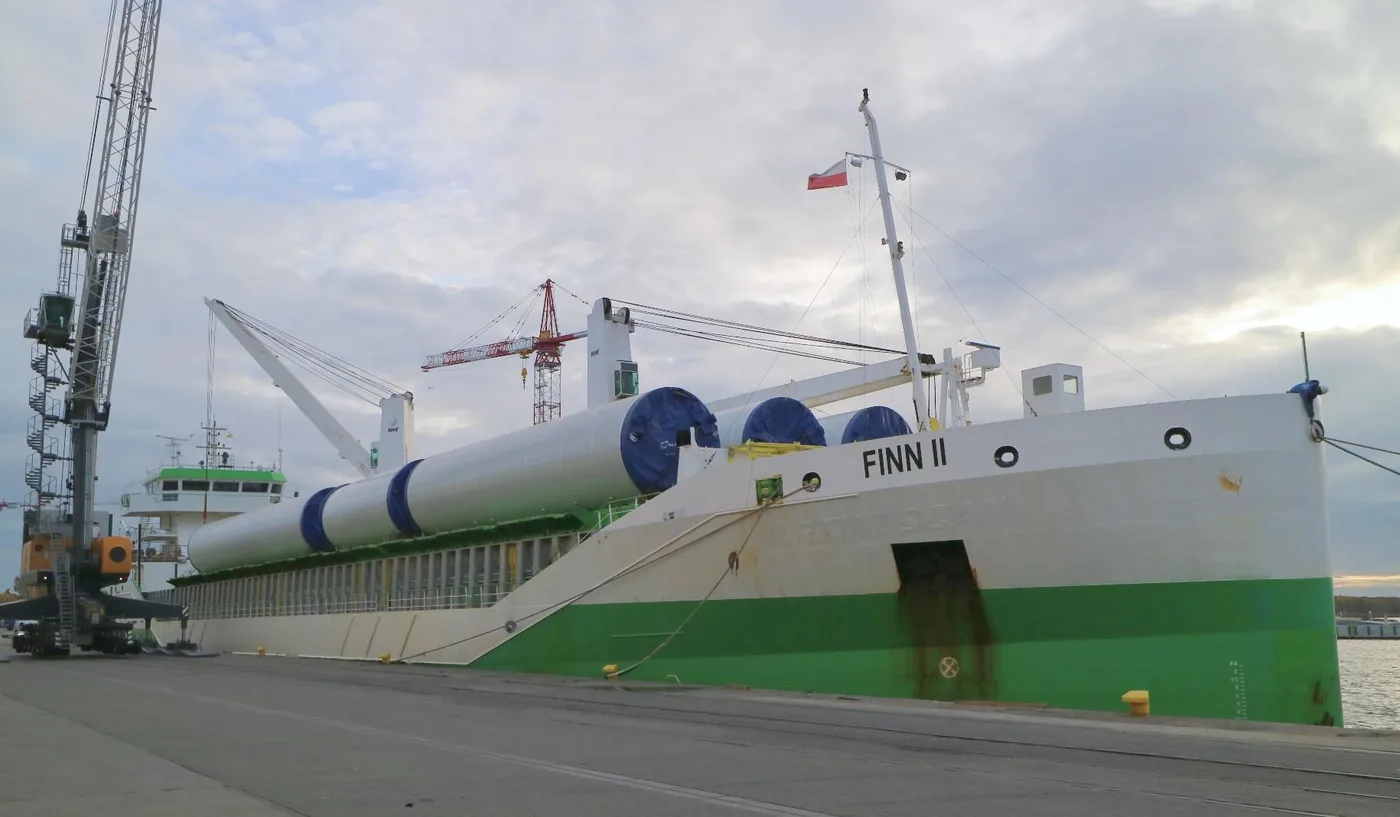
Germany’s Federal Bureau of Maritime Casualty Investigation (BSU) investigated two similar falls together. On 25 February 2025, a cargo surveyor fell about 6 metres through an open tween deck hatch on the general cargo ship Finn III in Rostock; on 23 March 2025, a deck rating fell down the engine room companionway of the dredger Johanna Josephine in Eckernförde.
- Finn III: a 116-metre general cargo ship discharging wind turbine tower segments at her berth.
- Johanna Josephine: a 37.6-metre Dutch dredger with a three-person crew, moored overnight before resuming work.
- Outcome: both men were seriously injured; the surveyor was still unable to work when the report was published, while the rating has fully recovered and returned to work.
- Common factor: in both cases, a barrier that normally protects the opening had been removed.
2. Timeline
Both falls happened in quiet moments, with no one watching.
- 25 February, 0755: Finn III starts discharging deck cargo; two tween deck hatch covers had been moved on deck to give lashing points, leaving unguarded openings below.
- Late morning: crew members warn the surveyor that the hold is very dark and offer him a light.
- About 1300: the surveyor enters the tween deck alone, apparently using his mobile phone as a torch.
- About 1315–1322: told that he went into the hold, the crew search and find him in the lower hold; emergency services arrive at 1340.
- 23 March, about 2230: on Johanna Josephine, the skipper hears a noise and finds the rating at the foot of the engine room companionway; he is flown to hospital in Kiel.
3. Root Cause
The BSU found that in both cases a fall barrier was missing, and the danger wasn’t recognised in time.
- Finn III: the surveyor entered the hold without an entry permit and without a crew member, contrary to the ship’s enclosed space procedure.
- Tower segments stowed up to the deckhead blocked the hold lighting, and a phone torch wasn’t enough to show the open hatch.
- The crew hadn’t put up stanchions and a safety line around the openings, although both could have been rigged with equipment on board.
- The missing hatch covers were easy to overlook on the stowage plan, which carried no written warning.
- Johanna Josephine: the rating had removed a guard rail at the top of the companionway for maintenance, and the BSU believes he leaned back on it out of habit while off duty.
4. Risk
Falls into holds and engine rooms are among the most serious accidents on board, and temporary openings are the easiest to forget.
- Hatch covers and guard rails are often removed for cargo work or maintenance, creating openings that weren’t there before.
- Holds packed with cargo can be almost dark only a few metres from the lights.
- Visitors such as surveyors, stevedores and contractors may not know the ship’s layout or procedures.
- People working alone can lie injured for some time before anyone notices they are missing.
- Familiar spaces invite habits, like leaning on a rail, that become dangerous when the space changes.
5. Early Warning Signs
On Finn III, several warnings were given, but no physical barrier backed them up.
- Crew members told the surveyor the hold was very dark and offered him a light.
- It was suggested he wait until the hatches were opened and daylight reached the tween deck.
- No one recorded the pre-discharge safety briefing, so it isn’t known whether the open hatches were mentioned.
- The gangway log didn’t record when shore staff, including the surveyor, came on board or left.
- On Johanna Josephine, the guard rail had been off since before the weekend, and no one marked or blocked the opening.
6. How Dtyle.AI Helps
Dtyle.AI can’t fit a guard rail, light a hold or issue an entry permit, and it only analyses what a camera can see clearly; in a hold this dark, a camera at the access point is more useful than one inside. Where cameras cover those points, it makes lone entries and falls more visible.
- Restricted Area Monitoring alerts when a person enters a configured zone, such as a cargo hold access during discharge or an opening whose guard rail has been removed.
- Personnel Presence Monitoring estimates how many people are visible at an access point, helping confirm that an attendant is posted before anyone goes into the hold.
- Slip & Fall Detection recognises when a person appears to have fallen and remains down, such as at the foot of a companionway, and alerts with the location and camera.
- Gangway Monitoring gives visibility of people boarding and leaving, including surveyors and other shore staff.
7. Prevention
Dtyle.AI doesn’t replace guard rails, entry permits, accompanied entry, proper lighting or a clear stowage plan; those are what stop a fall. Its role is to give the officer in charge a better chance to step in before someone enters a dangerous space alone.
- An alert when someone enters the hold access lets the officer in charge check that they have a permit, a light and someone with them.
- Temporary zones around openings left by removed hatch covers or guard rails flag anyone approaching them until the barrier is back.
- Presence counts at the hold entrance show when someone has gone in without an attendant.
- Recorded clips of unaccompanied entries give real examples for briefings with crews and shore staff.
8. Response Support
On Finn III, there were no witnesses, and the crew only began searching when someone asked where the surveyor was.
- Slip & Fall Detection alerts with a snapshot, the camera and the time when someone falls and stays down in a monitored area.
- An alert from the hold access shows when a person went in, so a search can start in the right place.
- Gangway boarding counts help confirm whether a missing visitor is still on board or has gone ashore.
- Recorded clips show the sequence of events for the investigation, which here had to rely on differing accounts.
9. Lessons Learned
The companies involved have made changes, and the BSU made recommendations to Finn III’s operator and the dredger’s crew.
- Finn III’s operator told its fleet that the cargo hold should have been treated as an enclosed space, with lighting and a permit before entry.
- The stowage planner now adds a clear warning to plans when a tween deck panel is left out, calling for extra guard rails.
- The surveyor’s employer now inspects and records its staff’s protective equipment at set intervals.
- The BSU recommended that Finn III’s operator revise its cargo space procedure to require securing fall hazards, and record safety briefings for shore staff.
- It urged the dredger’s crew to mark or block any opening whenever a guard rail is removed, until it is refitted.
10. Key Benefit
Earlier warning when someone enters a dangerous space alone, and faster help if they fall.
- Alerts when people enter hold accesses or zones around temporary openings.
- A visual check that an attendant is posted at the entrance.
- Fall alerts with the location, so help can be sent quickly.
- Recorded evidence for briefings, coaching and investigations.