

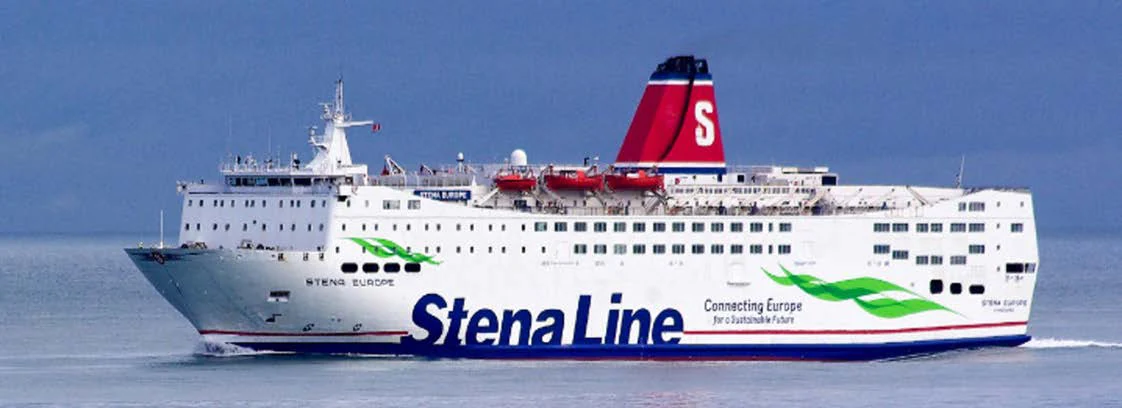
Fuel spraying onto a hot engine surface is a well-known cause of engine room fires; the MAIB has received 65 such reports since 2015. This summary of its investigation into the Stena Europe fire covers what happened, the risk, and where Dtyle.AI fits.
1. Incident
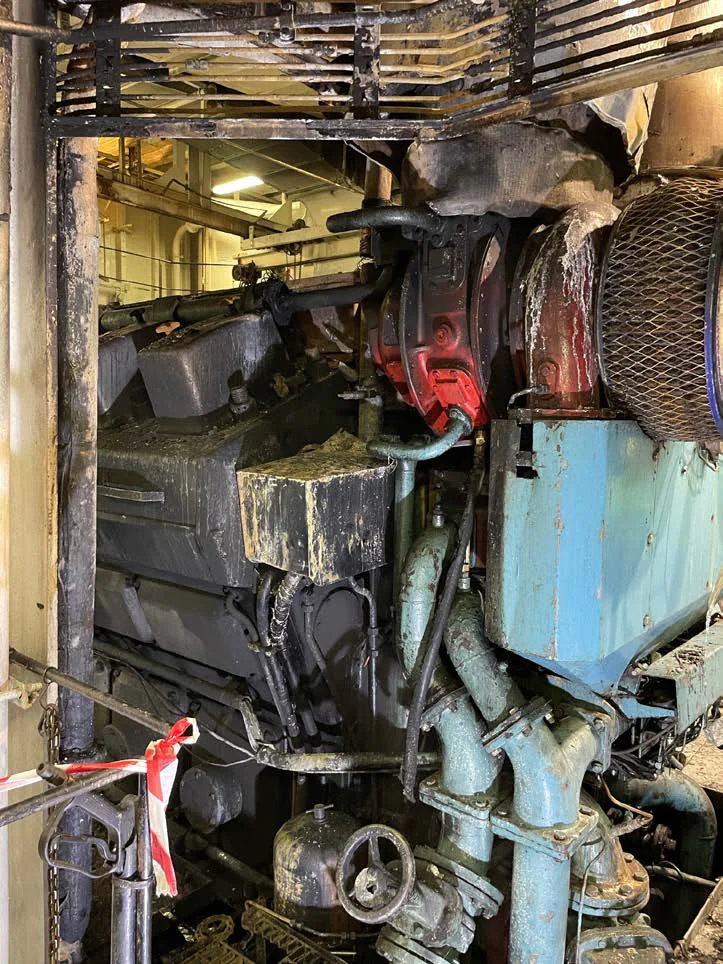
At 2115 on 11 February 2023, a fire broke out in the port engine room of the ro-ro passenger ferry Stena Europe as it approached Fishguard, Wales, from Rosslare, Ireland. Fuel leaking under pressure from main engine 3 sprayed onto an exposed exhaust manifold and ignited.
- Vessel: the UK-registered, 149-metre passenger and car ferry Stena Europe, built in 1980.
- On board: 88 passengers and 59 crew.
- Outcome: no injuries and no pollution, but serious damage to the port engine room.
- Main engine 3 was out of service for more than three months.
2. Timeline
The fire started a few minutes after the fourth main engine was started for arrival (times are UTC).
- 2101: the bridge asks the engine control room to start main engine 3 for the approach to Fishguard.
- 2114–2115: a low fuel pressure alarm sounds, then fire and smoke detectors in the port engine room and funnel casing activate.
- 2116: engineers open the engine room door, see a large fire at the front of main engine 3 and start the water mist system.
- 2119: a Mayday is broadcast, passengers report a fireball from the funnel and are moved inside, and the deck team cools the funnel.
- 2237: with the fire out, the ferry berths at Fishguard on two engines and the fire service checks for hot spots.
3. Root Cause
The MAIB found that a screw in a two-screw fuel pipe flange had come loose, letting fuel spray onto an exhaust manifold whose shielding was out of place.
- In 1995, the engine maker had offered a safer four-screw flange; only one of the four engines had the full upgrade.
- The leaking joint had no anti-splashing tape and only partial shielding, so fuel could escape forcefully.
- Much of the insulation and shielding on all the engines was damaged or missing, and the crew had grown used to it.
- Spot thermometers had missed exposed surfaces above the 220°C limit; a thermal camera found them straight away.
- Recurring fuel leaks had stopped being reported, and shore management hadn’t noticed the pattern.
4. Risk
Engine room fires on passenger ferries put large numbers of people at risk, often close to port and with little warning.
- Fuel under pressure can spray several metres and ignite instantly on a hot surface.
- Fire can spread into funnel casings and damage the cabling that phones and alarms rely on.
- Losing engines on the approach to harbour affects the ship’s ability to manoeuvre.
- Entering a burning space without breathing apparatus can quickly overcome even experienced crew.
- On an ageing ship, worn shielding can become normal and go unnoticed.
5. Early Warning Signs
The fuel system had been leaking for years, and the same joint had failed only two weeks earlier.
- On 29 January 2023, the same flange loosened and sprayed fuel across the engine before the watch stopped it.
- Frequent fuel leaks on three of the four engines were fixed locally instead of being reported.
- Three other Stena vessels had had similar fuel-spray fires in the previous two years.
- Damaged and missing shielding was visible in the engine room but was no longer seen as a problem.
6. How Dtyle.AI Helps
Dtyle.AI can’t measure surface temperatures, and it doesn’t replace certified fire detection or water mist systems. Where cameras cover the engine room and decks, it gives the bridge an extra visual picture before and during a fire, and a new model in development aims to catch leaks like this one earlier.
- Oil & Liquid Leak Detection, a new model Dtyle.AI is developing, is designed to spot oil or other liquid leaking from engines and pipework in covered views and show where it is coming from.
- Fire & Smoke Detection can flag visible flame or smoke in covered views, such as the engine room or funnel, and alert the bridge with a snapshot, the camera, the location and the time.
- Live views of the engine rooms on the operations dashboard give the bridge and engine control room a direct picture of machinery spaces.
- Restricted Area Monitoring can alert when someone enters a space that has been closed off, such as an engine room sealed during a fire.
- Personnel Presence Monitoring estimates how many people are visible in defined areas, such as the upper deck when passengers are told to go inside.
7. Prevention
The loose screw, missing shielding and hot surfaces need maintenance, upgrades and thermal surveys, which remain the real defence. Dtyle.AI’s role is to give the crew an earlier and clearer view of the warning signs.
- Leak alerts, once the new model is available, give engineers a better chance to find a fuel leak, like the one two weeks before, and fix it before it reaches a hot surface.
- Leak events recorded over time show where leaks keep coming back, supporting the defect reporting that had lapsed here.
- Live views let the watch keep an eye on an engine between rounds after a recent leak repair.
- Recorded clips give real examples for engine room fire training and drills.
8. Response Support
Here, the fire damaged the engine room phones, and the bridge relied on radio and passengers’ reports of the funnel fire.
- Fire alerts with a snapshot and location give the bridge a direct view of where the fire is and how it is developing.
- Restricted area alerts help keep people out of a burning space until a protected fire team is ready to go in.
- Personnel Presence Monitoring helps confirm the upper deck is clear of passengers while the funnel is cooled.
- Recorded clips show the sequence of events for the investigation and later drills.
9. Lessons Learned
The MAIB made five recommendations, and Stena Line has already acted on many of the findings.
- The Maritime and Coastguard Agency was recommended to propose that IMO rules require thermal imaging to find surfaces above 220°C.
- Stena Line was recommended to improve defect tracking and train its chief engineers to carry out class inspections properly.
- Stena Line was also recommended to provide thermal imaging cameras across its fleet and share the dangers of entering a fire without breathing apparatus.
- Stena Line has upgraded main engine 3 to four-screw flanges, repaired shielding, fitted anti-splashing tape and had a thermographic survey carried out.
- It now also reviews engine makers’ service bulletins across its fleet.
10. Key Benefit
An extra visual picture of engine rooms and decks, so a fire is seen quickly by those in command and people stay out of danger.
- Earlier warning of oil and liquid leaks, with the new leak detection model.
- Alerts for visible flame and smoke in covered spaces.
- Live views of machinery spaces between rounds.
- Alerts when people enter spaces closed off during an emergency.
- Recorded evidence for investigations, maintenance reviews and training.